


Topchubashov Center
Report 1 min read

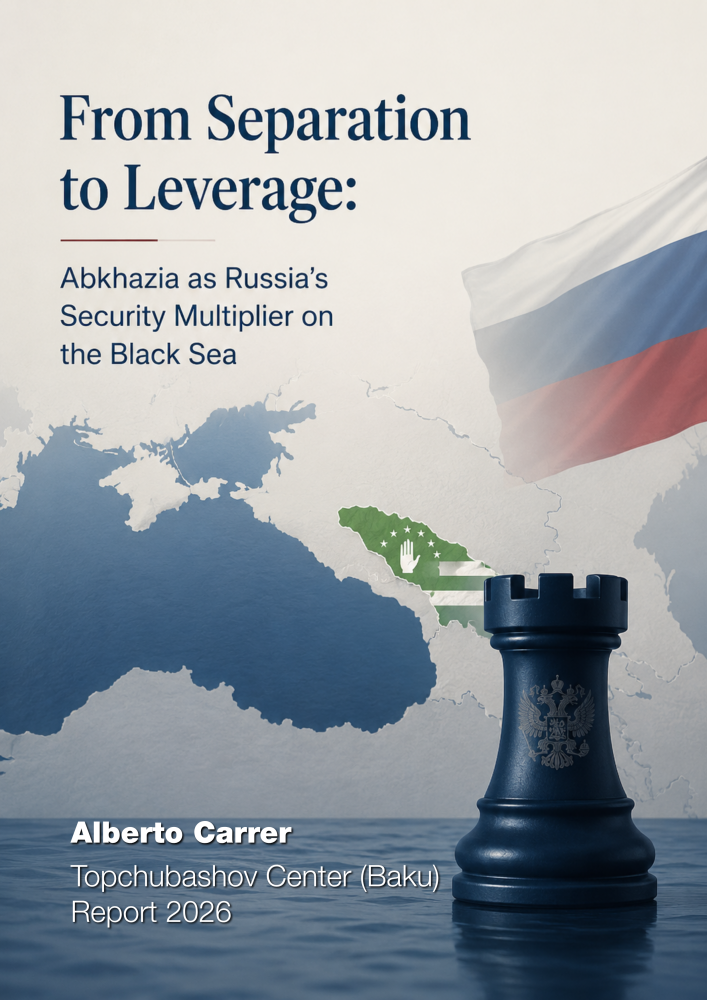
Abkhazia as Russia Security Multiplier on the Black Sea

Abkhazia as Russia Security Multiplier on the Black Sea
Alberto Carrer Alumnus Published

Listen to this article Read by an AI voice

Among all the post-Soviet de facto entities arising from the USSR's secessionist conflicts, Abkhazia stands out as one of the most developed and multidimensional cases of patron-client relationships and dependency. Since unilaterally declaring independence from Georgia in 1992, the political survival and territorial control of the region have heavily relied on Russian backing and financial assistance. Yet, the constant deepening of this relationship, spanning from military, economic, societal, and symbolic dimensions, has transformed Abkhazia from a dependent polity into a potential embedded node in Russia’s regional power architecture. This transformation defines the mechanisms through which patronage structures sustain local statehood while simultaneously potentially projecting broader influence.

Download the full report.
Related work

Report

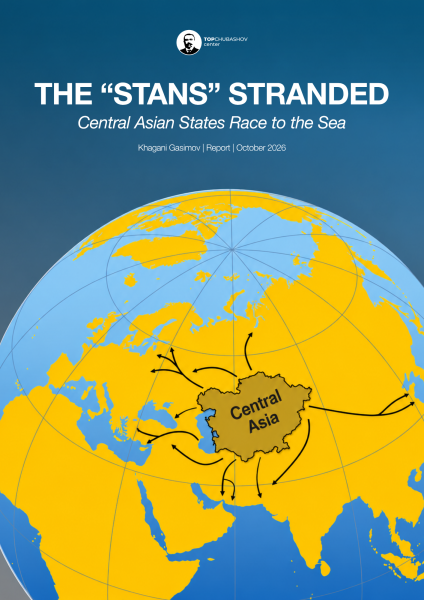
The “STANS” Stranded - Central Asian States Race to the Sea

Central Asia is increasingly caught between wars and economic sanctions in neighbouring countries. These disruptions have constrained established trade routes, forcing the region to improvise and rely more heavily on alternative corridors. Yet many alternative...

Khagani Gasimov, 23 October 2026

Report

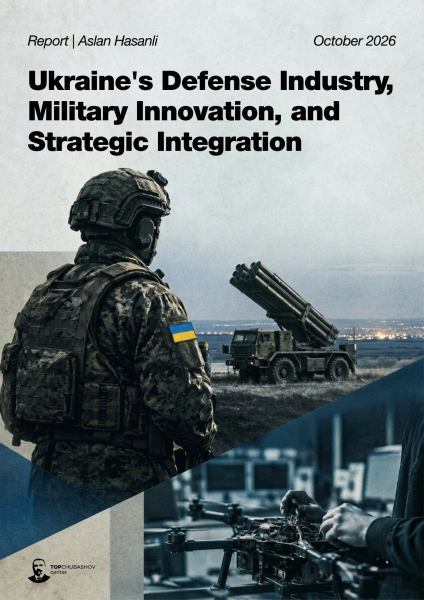
Ukraine's Defense Industry, Military Innovation, and Strategic Integration

One of the defining characteristics of Ukraine's defense-industrial transformation has been the restructuring of military procurement mechanisms. Conventional defense procurement systems are generally designed for peacetime environments, emphasizing lengthy pl...

Aslan Hasanli, 13 October 2026

Report

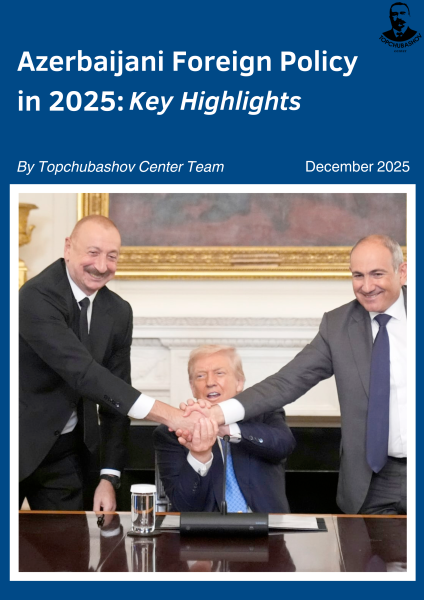
Azerbaijani Foreign Policy in 2025: Key Highlights

The year 2025 marked a period of adjustment and consolidation in Azerbaijan’s foreign policy. From its immediate vicinity to neighboring regions, Baku approached its external environment not as a challenge to be reacted to, but as an emerging architecture to b...

Rusif Huseynov, Murad Muradov, Simona Scotti, Mahammad Mammadov, Gulkhanim Mammadova, 24 December 2025

Report

The EU's response to China's growing influence in Central and Eastern Europe

The 16+1 Initiative, introduced by the People’s Republic of China in 2012, represents a strategic framework aimed at deepening economic and diplomatic engagement with sixteen Central and Eastern European (CEE) states. As a complementary mechanism to China’s Be...

Nifti Naghiyev, 26 July 2025