

Are the 2026 midterms signaling a shift in Trump-Era US foreign policy?
Voter discontent heading into the 2026 US midterms points to more than a rebuke of the current administration. It signals a growing political constraint on the approach that has defined much of this decade: aggressive protectionism paired with the unilateral use of force.
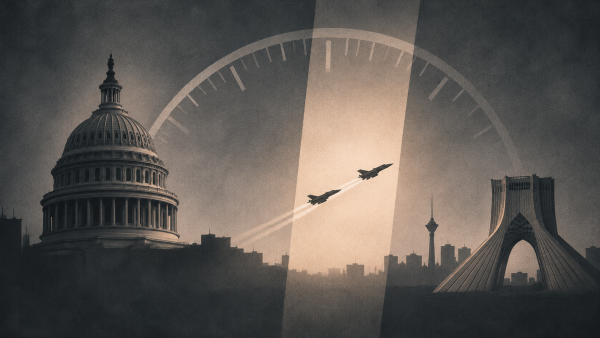
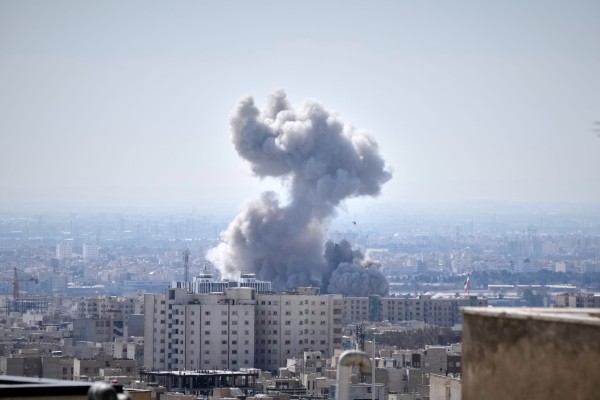
The dynamics of this cycle expose a deep electoral exhaustion, with the economy and the future of democracy emerging as the defining issues. This sentiment is anchored by a gloomy national economic outlook alongside volatile oil prices and energy supply disruptions. Roughly six in ten US voters now call military action against Iran the wrong decision, and six in ten oppose the administration’s tariff increases, including blue-collar workers, a constituency the administration’s protectionism was meant to help.
The 120th US Congress will feel this pressure when it is sworn in next January. Legislators facing inflation and high energy costs may find open-ended military operations politically unsustainable, and could use the power of the purse to demand transparency, firm off-ramps, and a higher bar for new offensive action.
Precedent counsels caution. After the 2006 midterms, George W. Bush escalated in Iraq. After the 2018 midterms, Donald Trump vetoed efforts to end US support for the Saudi-led war in Yemen, and a trade war with China significantly escalated. This cycle differs, however, in three ways: 1) the backlash spans both a war and a trade regime, 2) it is eroding support among blue-collar and Republican-leaning voters who have experienced cumulative price increases, and 3) the war has produced no rally-round-the-flag effect. Even so, the constraint will likely come less from Congress overriding the executive than from the incentives facing Republican members of the US Congress who must face voters again in 2028.
The constraint is already visible. In October, the administration modified its 50 percent tariffs on Canadian goods, a move the Wall Street Journal reported was aimed at helping vulnerable Republican candidates.
Any resulting shifts in foreign policy reflect institutional continuity, not US unpredictability. When costly overreach provokes sustained backlash, core interests get reassessed, as with the Reciprocal Trade Agreements Act after Smoot-Hawley, the Neutrality Acts after World War I, the War Powers Resolution after Vietnam, and the retreat from large ground wars after Iraq. The likely result is recalibration, not reversal: trade policy pressured by cost, military action tempered by caution in a multipolar world, and greater reliance on allies to share security and economic burdens rather than unilateral coercion.
As Alexis de Tocqueville observed in Democracy in America, “The great privilege of the Americans does not simply consist in their being more enlightened than other nations, but in their being able to repair the faults they may commit.” The midterms on November 3 will begin to show whether that capacity still holds.
The author is a Washington, DC-based policy expert who has previously served as a consultant to US presidential campaigns and conducted strategic research for DC-based think tanks.