

Measuring Strategic Pressure and Global Energy Risks in the Strait of Hormuz in 2026
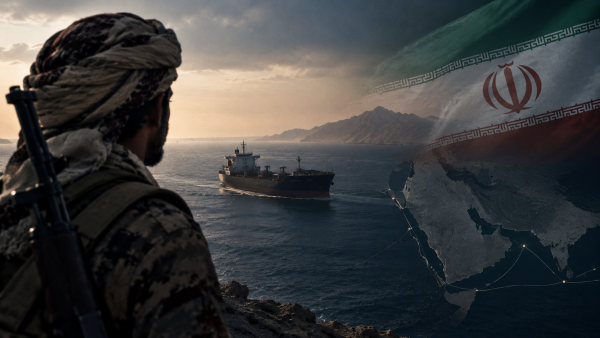
The Strait of Hormuz returned to the center of global strategic risk calculations following the launch of the “Smart Control of the Strait of Hormuz” exercise on February 16, 2026. During the drill, the commander of the Islamic Revolutionary Guard Corps Navy publicly stated that Iranian forces could close the waterway “upon orders from the country’s senior leadership,” underscoring the political signaling embedded in the exercise. The drill coincided with the temporary suspension of maritime traffic in parts of the strait for several hours, and took place alongside the second round of indirect nuclear negotiations between Iran and the United States held on February 17 in Geneva under Omani mediation.
This sequence links military signaling, controlled disruption, and diplomacy into a single pressure framework rather than an isolated show of force.
The current environment continues the escalation cycle that began with the major military operations in June 2025. These events included Israeli air strikes on June 13, followed by American strikes known as Operation Midnight Hammer on June 22. While a period of lower intensity followed those attacks, the current atmosphere remains volatile.
Data from the U.S. Energy Information Administration (EIA) indicates that 20 percent of global petroleum liquids consumption and around 20 percent of global liquefied natural gas trade reach markets through this narrow passage.
Total physical closure remains a choice that inflicts high costs on all regional actors. Instead, the tactical focus has shifted toward asymmetric methods. Iran uses these tools to increase navigational risks and impose costs on global markets through pricing and risk premiums. This strategy has increasingly turned the Strait of Hormuz into a flexible pressure tool rather than a zone of open conflict.
Mechanics of Asymmetric Pressure
Asymmetric attrition characterizes the operational approach to the maritime pressure exerted in the Strait of Hormuz.
Military intelligence estimates suggest that the Iranian naval arsenal contains between 5,000 and 6,000 naval mines.
These assets include sophisticated rocket-propelled systems like the Chinese-made EM-52, which are capable of targeting passing vessels. A specialized force of approximately 20,000 Revolutionary Guards personnel carries out boarding missions and utilizes unmanned aerial vehicles for persistent surveillance. The Smart Control exercise on February 16 tested readiness for monitoring and autonomous target detection. This shift toward technical monitoring allows for more direct control over the specific shipping lanes that vessels must follow.
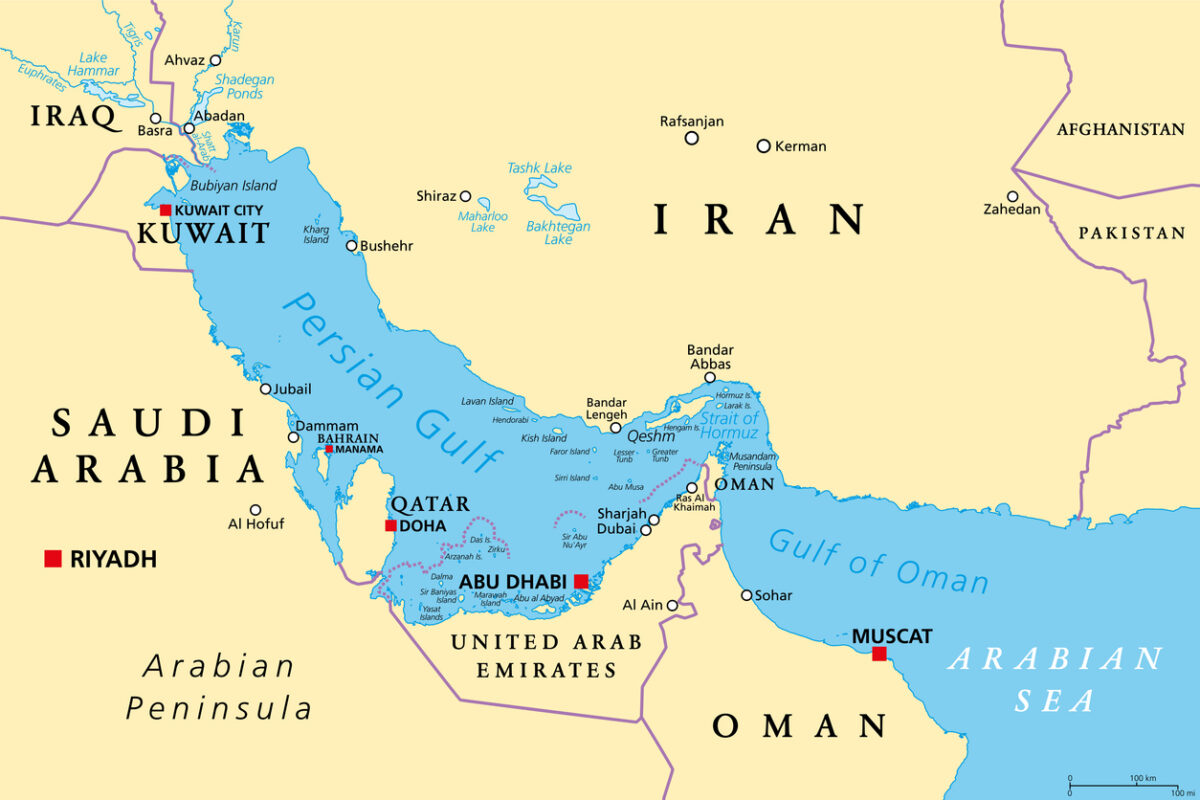
The physical geography of the strait supports these tactics because the navigational channels are only about two miles wide. This constrained space makes large commercial vessels vulnerable to various forms of interference. Sustaining a massive naval presence in these waters creates a heavy financial and operational burden for international forces.
Naval assessments show that a single aircraft carrier strike group requires approximately 6.5 million dollars per day to maintain its presence.
New guidance from the U.S. Maritime Administration (MARAD) issued on February 9, 2026, reflects the severity of this environment. The document advises commercial crews to stay as far as possible from Iranian territorial waters. It also recommends that crews verbally decline boarding requests but avoid forced resistance if forces actually board the vessel. These guidelines emphasize the objective of reducing escalation risks rather than inviting direct confrontation.
Market Responses and Agricultural Disruptions
Market reactions to instability in the strait often precede physical disruptions. Brent crude prices rose from 69 to 74 dollars in a single day during the June 2025 crisis according to the EIA. This movement demonstrates the high sensitivity of energy markets to regional tension. While some political representatives in Tehran have mentioned the possibility of oil prices reaching 200 dollars per barrel, such numbers serve rhetorical goals. The real financial pressure comes from the insurance industry and the application of War Risk Premiums. Reports indicate that standard insurance rates of 0.01 percent of a vessel's value can reach 1.0 percent during periods of high tension.
For a modern tanker valued at 100 million dollars, this represents an additional weekly cost of 500,000 dollars for passage.
The impact of a potential blockade also extends to global food security through the agriculture sector. Data from Argus Analytics shows that 50 percent of the world seaborne sulphur trade and 32 percent of the global urea trade pass through the strait. These materials are essential for producing phosphate fertilizers. Major farming nations like India and Brazil rely on these Middle Eastern supplies to sustain their agricultural outputs. Disruption in these flows triggers agflation, which refers to rising food prices caused by increased agricultural production costs. Additionally, the risk of a blockade poses an immediate threat to the infrastructure of surrounding nations. Infrastructure reports note that Lebanon faces a risk of widespread and prolonged electricity outages in the event of a closure because it relies entirely on fuel oil imports coming through these regional routes. This interconnectedness means that risks in the Strait of Hormuz directly affect the cost of living and basic infrastructure far beyond the borders of the Middle East.
Logistical Limits of Energy Diversification
Alternative routes cannot effectively replace the volume of the Strait of Hormuz. Saudi Arabia and the United Arab Emirates have invested in pipelines to move crude oil to the Red Sea or the Gulf of Oman. The Saudi East-West pipeline has a standard operating capacity of 5 million barrels per day, though it reached a temporary peak of 7 million barrels in the past. The UAE operates a pipeline with a capacity of 1.8 million barrels per day linked to the Fujairah export terminal. However, these lines usually operate near their maximum capacity for daily exports. Data from the EIA shows that only 2.6 million barrels per day of genuine spare capacity exists across the entire region. This volume is insufficient to handle the 20 million barrels that transit the strait every day.
Iran also attempted to secure its own export flexibility through the Goreh-Jask pipeline. This project was designed to carry oil to a terminal outside the strait in the Gulf of Oman. Despite its strategic potential, the project has failed to produce consistent results. Effective capacity remains around 300,000 barrels per day. Technical reports indicate that Iran stopped loading oil from this terminal entirely after September 2024. This failure means that Iran would directly constrain its own export capacity during a blockade. Iranian oil sales are currently carried out by the National Iranian Oil Company which uses a fleet of 38 tankers and a shadow fleet of up to 80 vessels. These sales rely heavily on the strait. Therefore, closing the waterway remains a choice that would result in severe constraints for the domestic economy of Iran. These logistical realities suggest that pipelines provide only limited relief during a crisis and do not offer a complete solution to a full blockade.
Strategic Dilemmas and Legal Boundaries
China remains the primary destination for energy products originating from the Persian Gulf. International trade data indicates that nearly 90 percent of Iranian oil exports go to Chinese buyers. Additionally, energy market analyses show that China relies on the Strait of Hormuz for 5 million barrels of oil imports every day to fuel its industrial demand. Tehran faces a strategic dilemma in this relationship. Diplomatic assessments explain that China opposes regional war because it would be the first to suffer from a closure. Closing the waterway would directly damage the energy security of the most important economic and political ally of Iran. This dependency effectively restricts the room for maneuver available to Tehran.
The geographic and legal structure of the passage also creates significant political barriers. Shipping lanes in the strait are just two miles wide. These lanes are located mostly within Omani territorial waters. An attempt to block these specific paths would violate the sovereignty of Oman, a country that has frequently served as a neutral mediator. Such an action would move the conflict beyond a struggle with Western powers and threaten the rights of neutral regional states. International law under the United Nations Convention on the Law of the Sea protects transit passage rights through straits used for international navigation, and states that transit passage rights cannot be suspended. Any physical interference creates immediate legal and diplomatic costs that the Iranian regime must evaluate against its short-term military goals.
Strategic Shifts and Alternative Corridors
The Strait of Hormuz no longer functions as a simple binary valve that is either open or closed. Instead, it acts as a strategic pressure gauge for regional tensions and international negotiations.
The current situation in February 2026 shows that Iran uses the waterway to impose economic costs and political pressure through constant uncertainty. This persistent shift increases the necessity for global energy supply security and the acceleration of route diversification.
Consequently, alternative energy and trade corridors become more critical as complementary risk mitigation tools. The Baku-Tbilisi-Ceyhan pipeline and the Middle Corridor provide a more stable environment for energy transit while global markets deal with the volatility in the Persian Gulf. These routes do not possess the massive capacity to replace the strait entirely. However, they help distribute strategic risks for international actors by providing redundant pathways for trade between East and West. The rising risks in the Gulf have increased the relative value of these corridors as essential components of global energy resilience.