

Topchubashov Center co-hosts international conference in Hungary
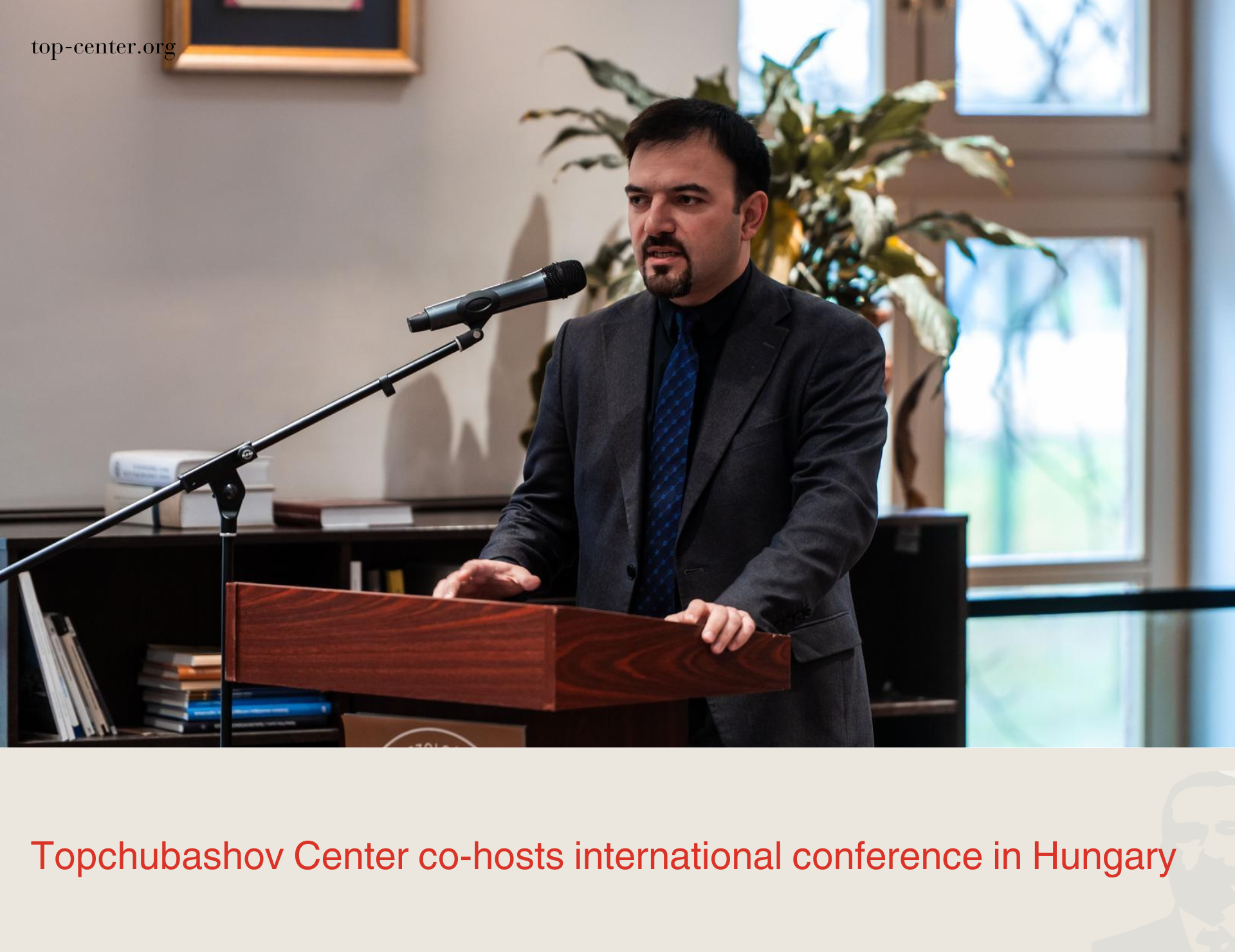
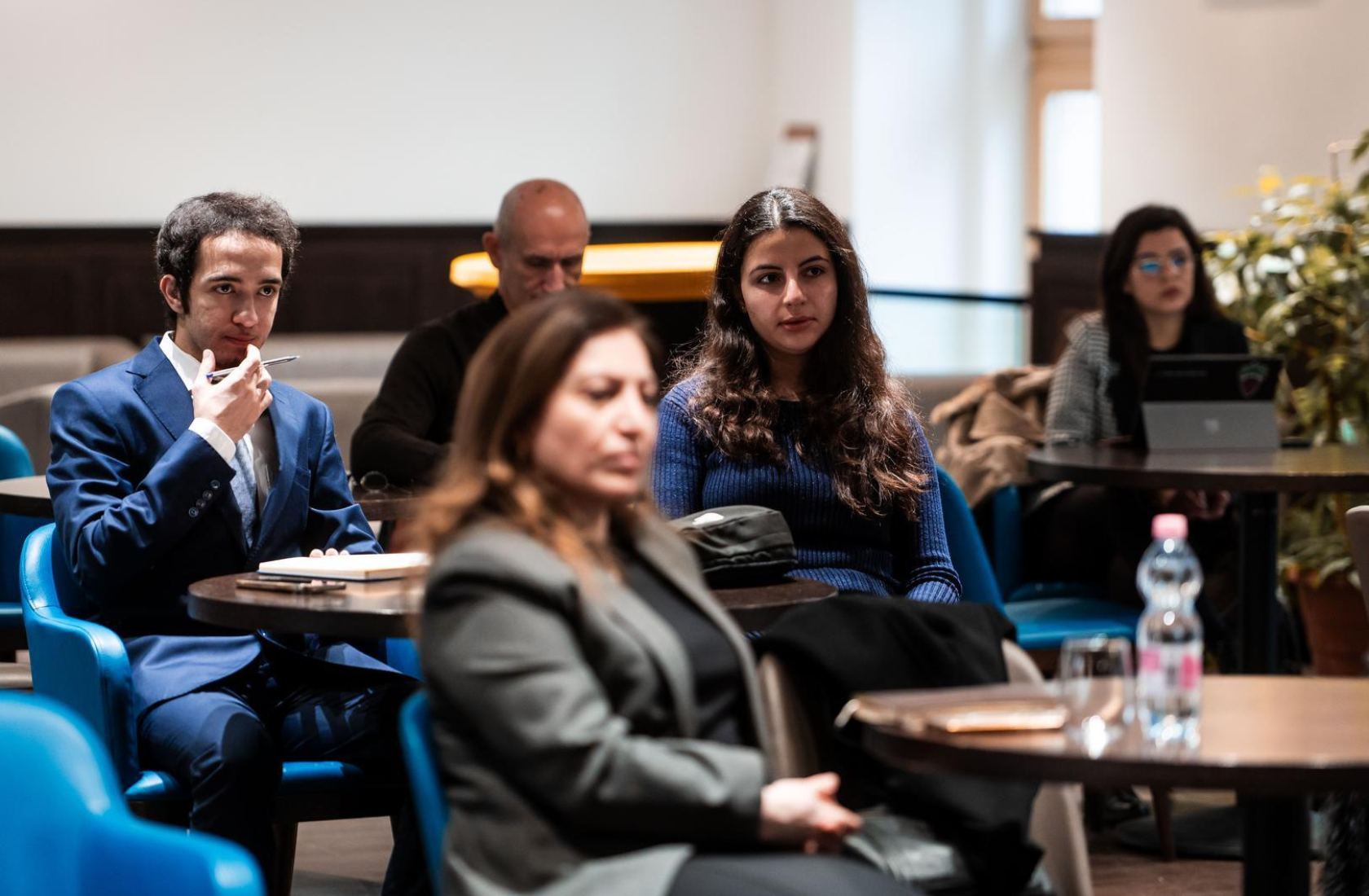
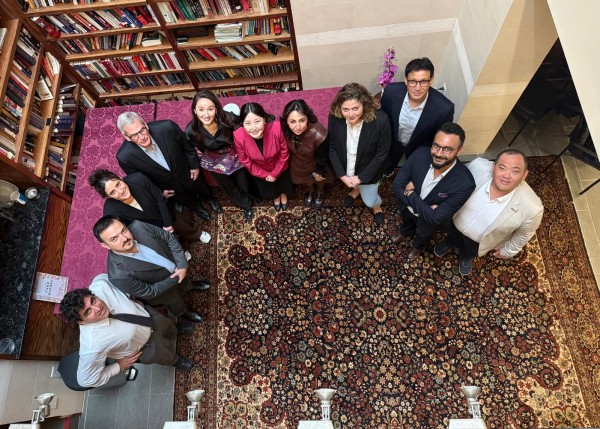
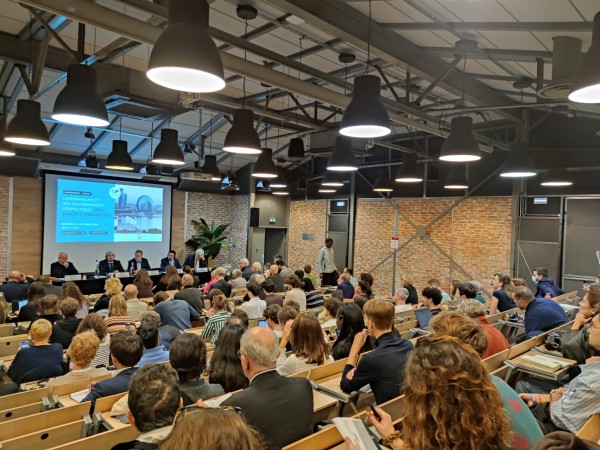
On 12 December 2025, Topchubashov Center, in partnership with the John Lukacs Institute for Strategy and Politics (JLI) at Ludovika University of Public Service (NKE), co-hosted an international conference entitled “Conflict and Coexistence in the Near East: Contemporary Dynamics.” The event was held at the John Lukacs Lounge of the Ludovika Side Building in Budapest.
In his opening remarks, Topchubashov Center Director Rusif Huseynov underscored the importance of in-depth discussions on the evolving dynamics of the Middle East, quoting the renowned Hungarian orientalist Gyula Germanus: “The East is not a place, but a state of mind.” He also highlighted Budapest’s growing role as an international hub for intellectual exchange, explaining the choice of the city as the conference venue.
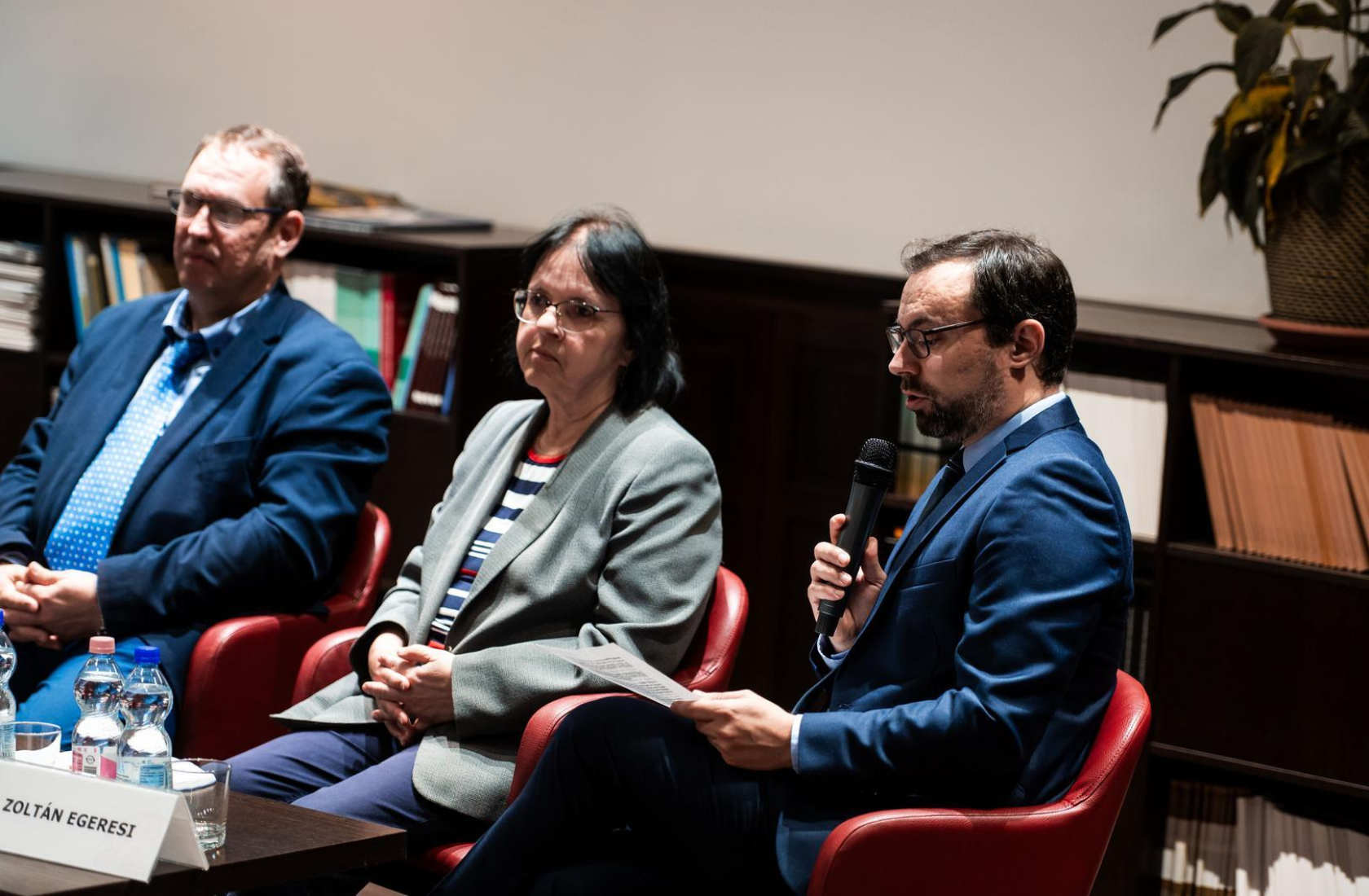
Zoltán Egeresi, Research Fellow at the John Lukacs Institute, noted that the conference marked the first tangible outcome of the cooperation between JLI and Topchubashov Center. Looking ahead, he emphasized the partners’ intention to identify additional shared areas of interest to serve as a foundation for future collaboration, with the Middle East emerging as a key focus of their joint efforts.
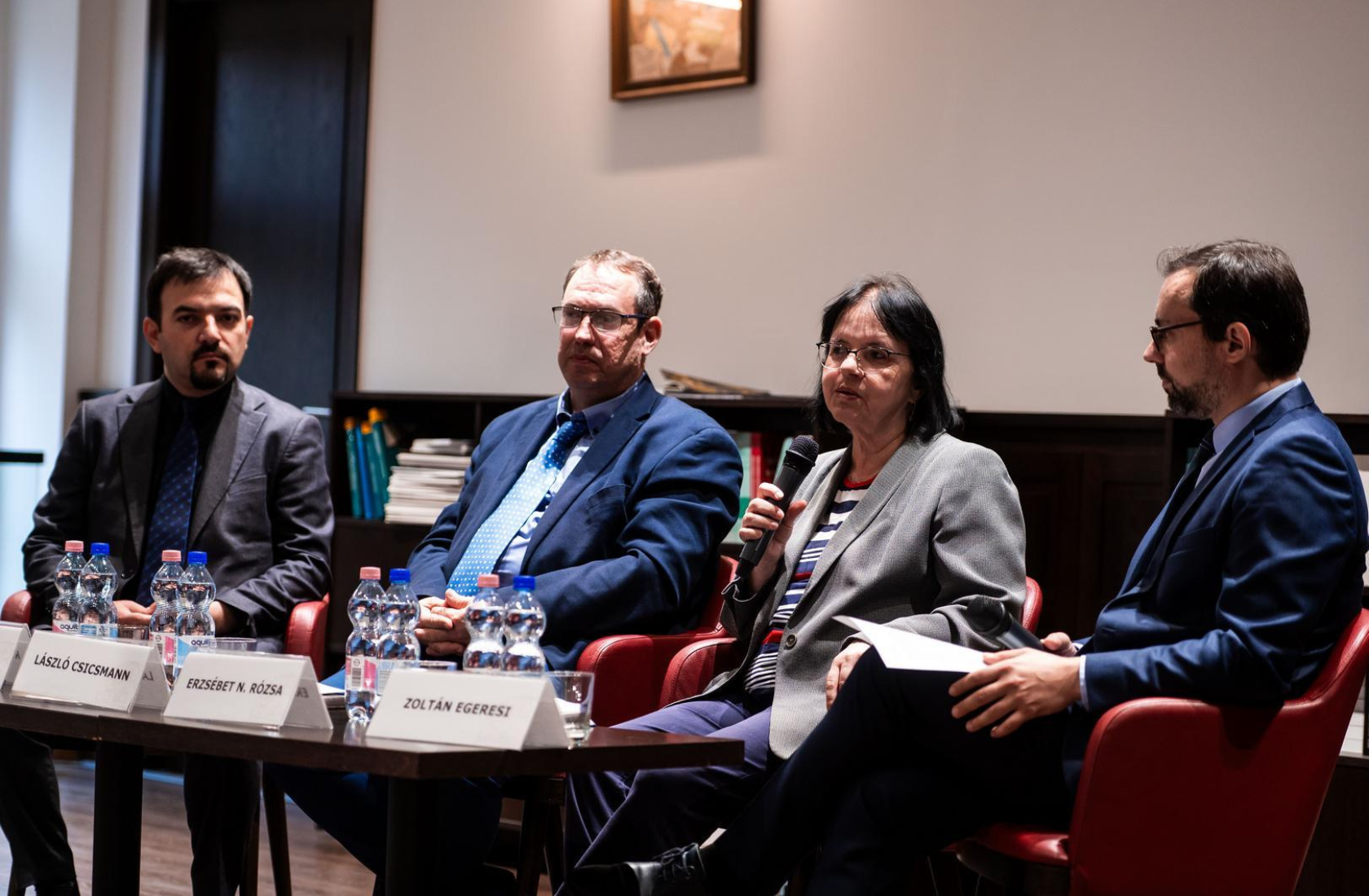
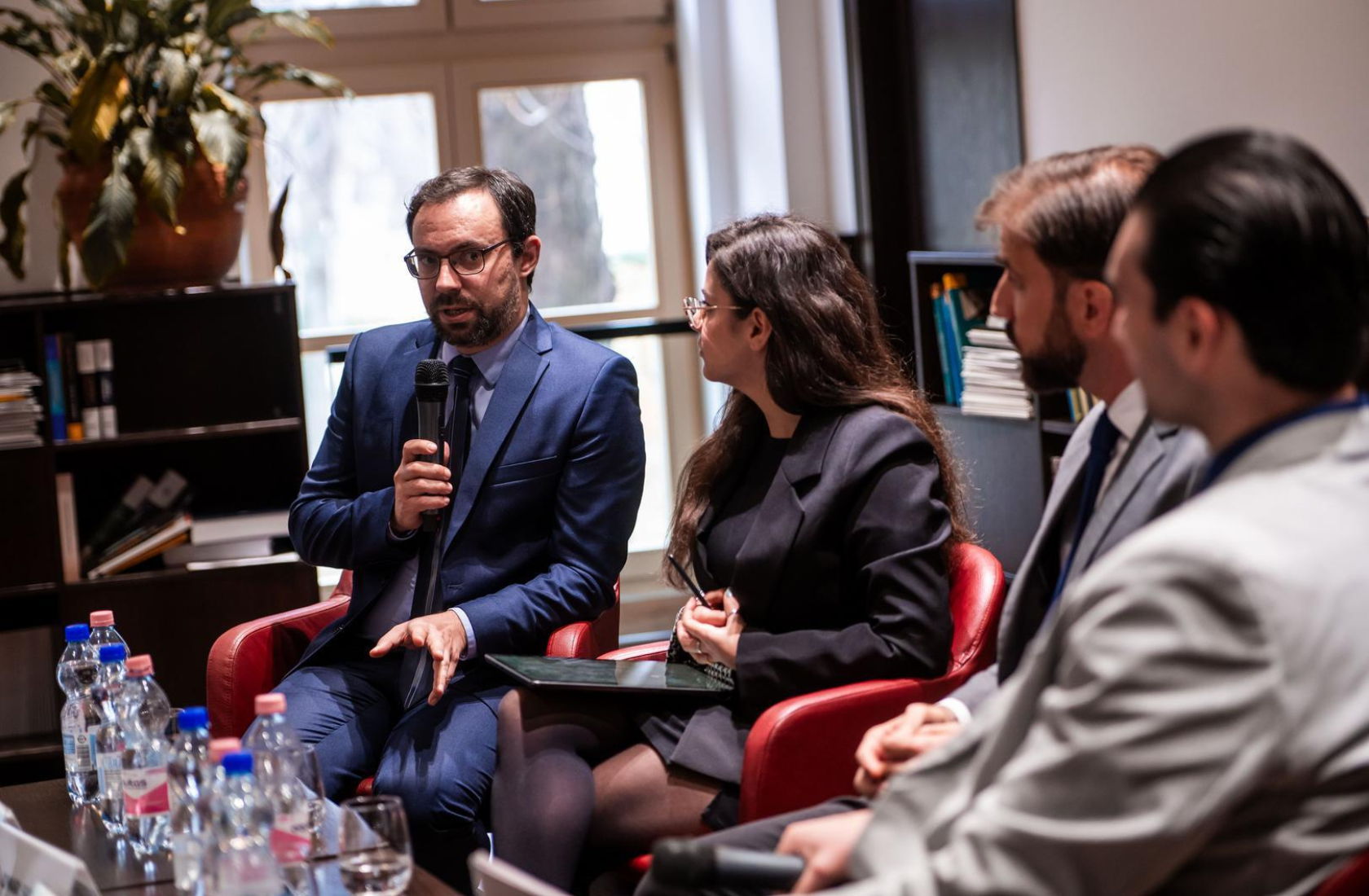
The first panel discussion, titled “Conflict Dynamics and Geopolitical Rivalries in the Middle East,” was moderated by Zoltán Egeresi. The panel featured Rusif Huseynov, László Csicsmann, Head of the Center for Contemporary Asia Studies at Corvinus University of Budapest, and Erzsébet N. Rózsa, Professor at the Department of International Relations and Diplomacy, Faculty of Public Governance and International Studies at NKE. The discussion addressed the region’s internal turbulence since the Arab Spring, as well as current geopolitical developments and the roles of both regional and external actors.
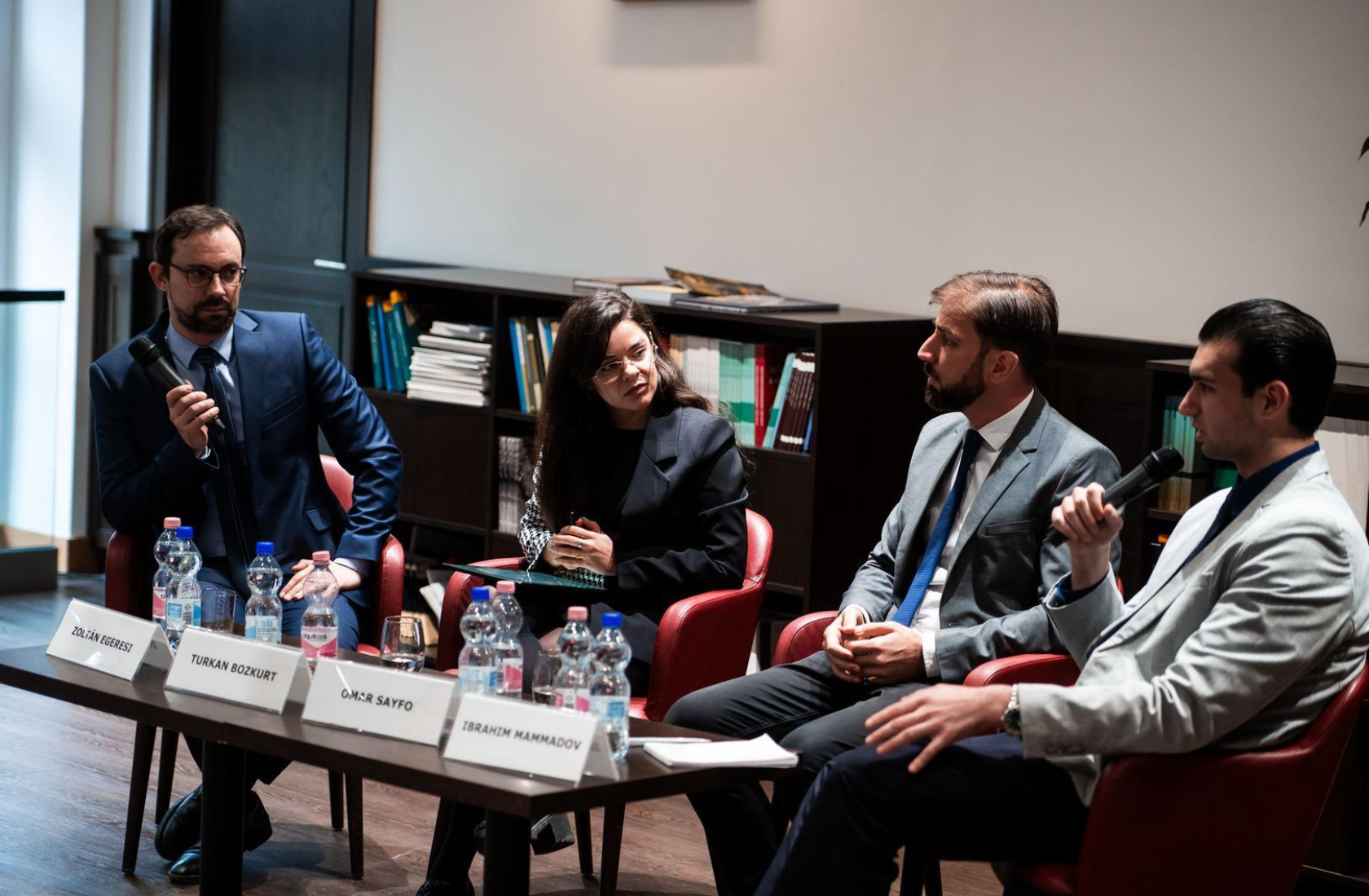
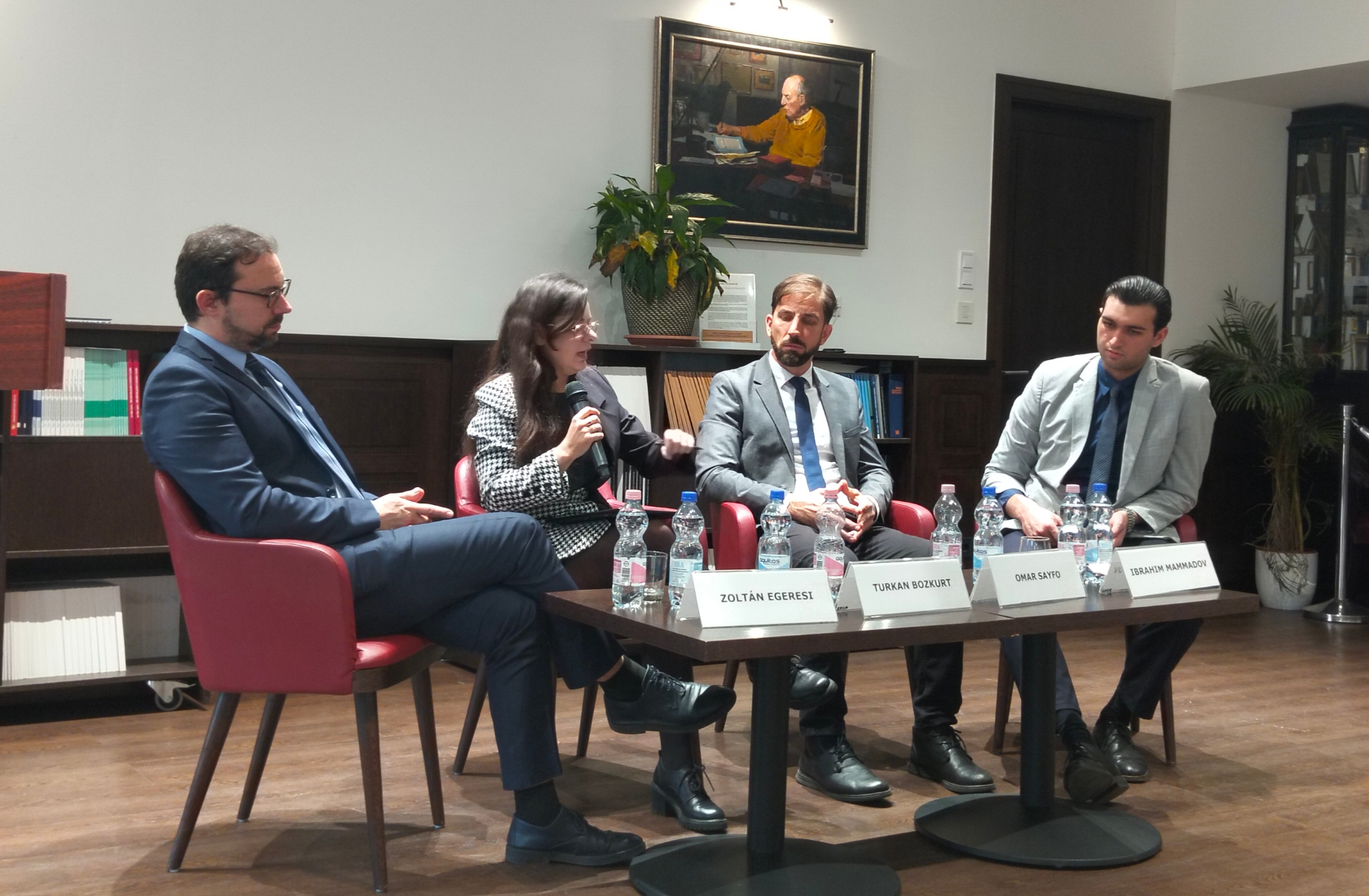
The second panel, moderated by Ibrahim Mammadov, Research Fellow at the Danube Institute, focused on “Interethnic Relations and Identity Politics.” In addition to Zoltán Egeresi, the panel included Turkan Bozkurt, Managing Director of the Canada-based IPEK Center, and Omar Sayfo, Research Director at the Migration Research Institute. The speakers examined complex ethnic mosaic in the Middle East, including the situation of Azerbaijanis in Iran and the concept of South Azerbaijan.
The conference concluded with closing remarks by Rusif Huseynov, who summarized the key discussions and emphasized the importance of continued dialogue and scholarly cooperation on Middle Eastern affairs.